Category: Behind the Science
-

Aligning in vivo models of Parkinson’s disease with biological classifications
A free short video lecture from Atuka’s Chief Innovation Officer Dr. Patrick Howson, on the reasons why Parkinson’s research has delivered symptomatic therapies but no disease-modifying ones, and how biological classification can align models to disease process.
-

The importance of data management in ensuring the integrity of biomedical research
From data handling and analysis to transparent reporting protocols, EQIPD guidelines are helping to ensure researchers generate more robust and reliable data.
-

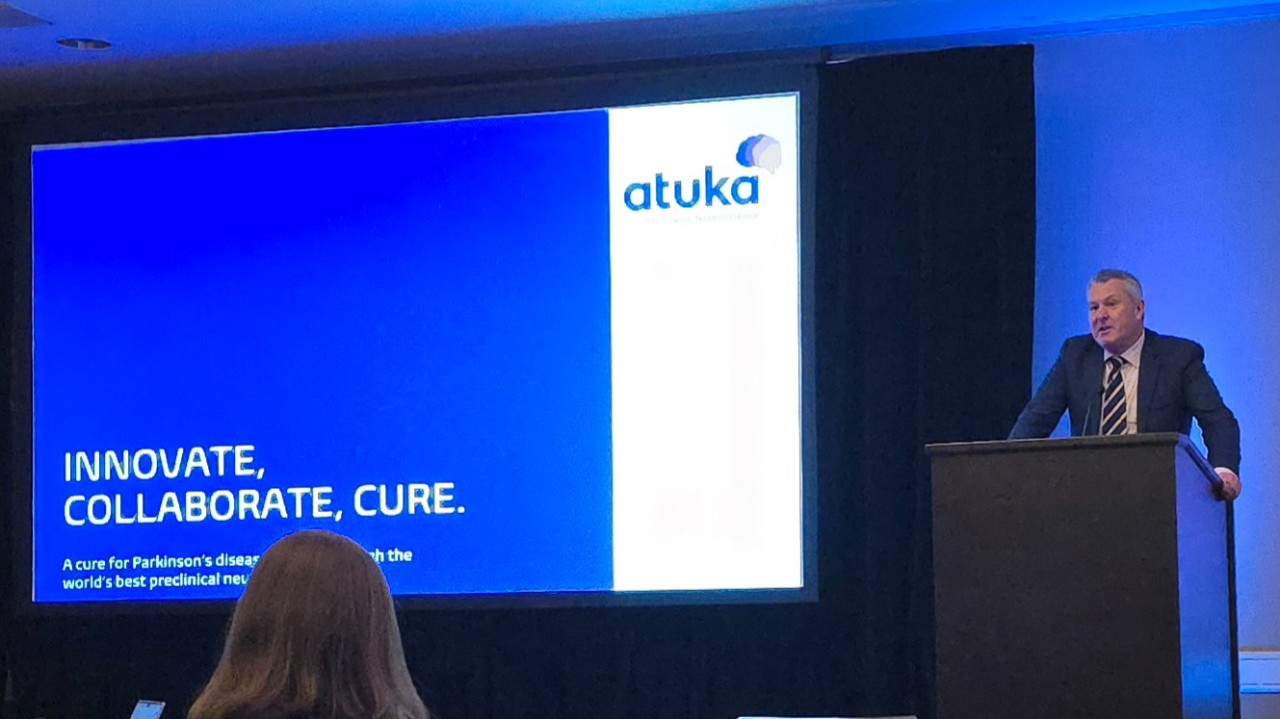
Towards a cure, through collaboration and clarity: Perspectives from the 2025 MJFF Therapeutics Conference
How researchers, clinicians, and companies are reading the current moment in Parkinson’s Research.
-

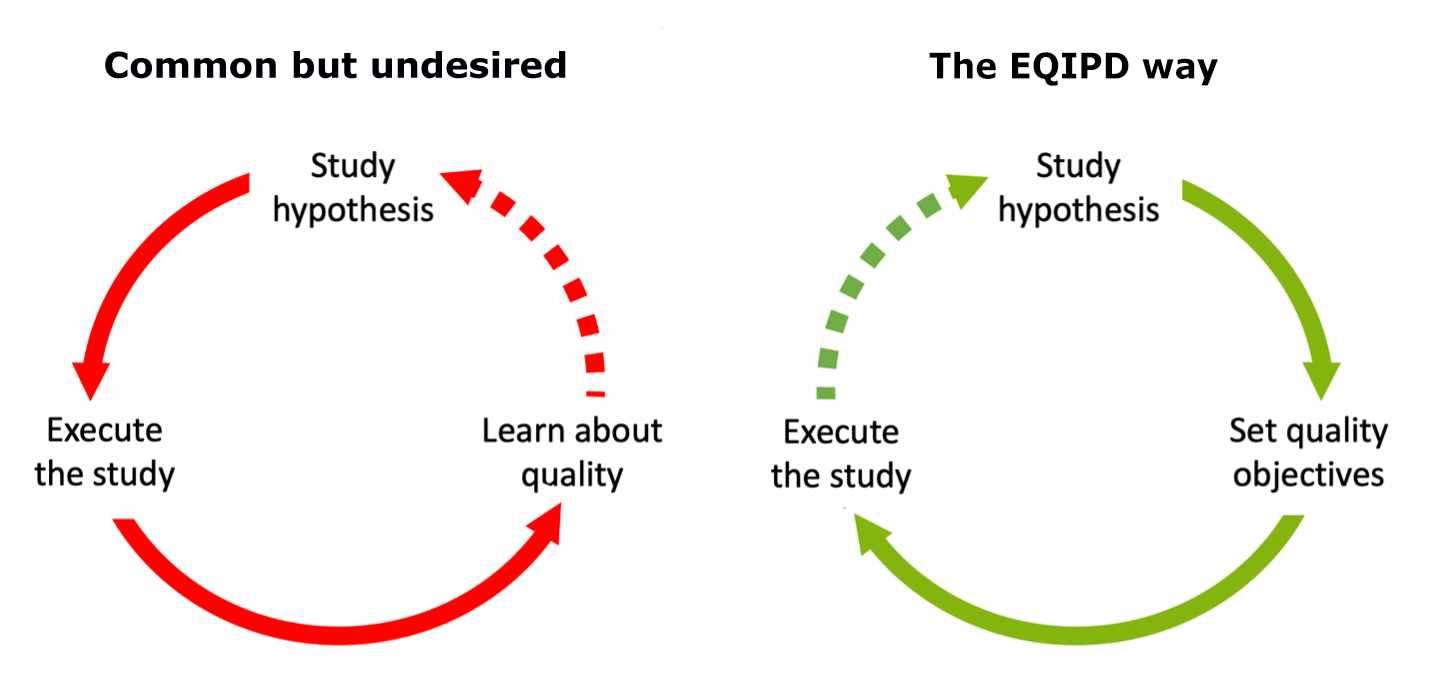
A quality system that boosts both research integrity and innovation
Unlike other quality systems, EQIPD has been designed to spur innovation in research without sacrificing rigor.
-

Better data, better reproducibility: the importance of quality systems
Patrick Howson on constantly improving Atuka’s quality system and the value of EQIPD.
-

Listening to patients, leading with science
A conversation with Peter DiBiaso on how patient voices can shape real progress in Parkinson’s research, moving us from token listening to actionable science.
-

Expanding frontiers in neuroimmunology
Jon Brotchie reports back with highlights from the recent Neuroimmunology Drug Development Summit in Boston, in particular how TREM2 is emerging as one of the most promising new targets for Parkinson’s, both in terms of mechanism and the variety of approaches we have to potentially manipulate it.
-

How AI could help dramatically change the drug discovery process
Integrating AI into the drug discovery process is potentially game-changing, though it’s also important to be clear-eyed about the hype.
-

Parkinson’s disease prevalence is soaring—but is there a good news story hidden in the data?
As Parkinson’s becomes the fastest-growing neurological disorder worldwide, its rising prevalence raises urgent questions about public health and economic impact. Could improved diagnosis, treatment, and life expectancy offer a hidden silver lining within the statistics?
-
Highlights from Neuroscience 2024
At the annual summit of the Society for Neuroscience in Chicago, it was clearer than ever that collaboration and advancing technologies are central to moving the field forward.