Our cognition services use two platforms for cognitive testing in non-human primates: the Cambridge Neuropsychological Test Automated Battery (CANTAB) and the object retrieval task (OR).
Available models
- Normal young adult macaques – To test cognitive effects (positive or negative) of any compound
- Chronic low-dose MPTP-treated macaques – Model of cognitive deficits in Parkinson’s disease
- Scopolamine-treated young adult macaques – Model of cognitive deficits in Alzheimer’s disease
- Normal aged macaques (18 – 25 years old) – Model of cognitive deficits in mild cognitive impairment (MCI) and Alzheimer’s disease
Non-human primate CANTAB
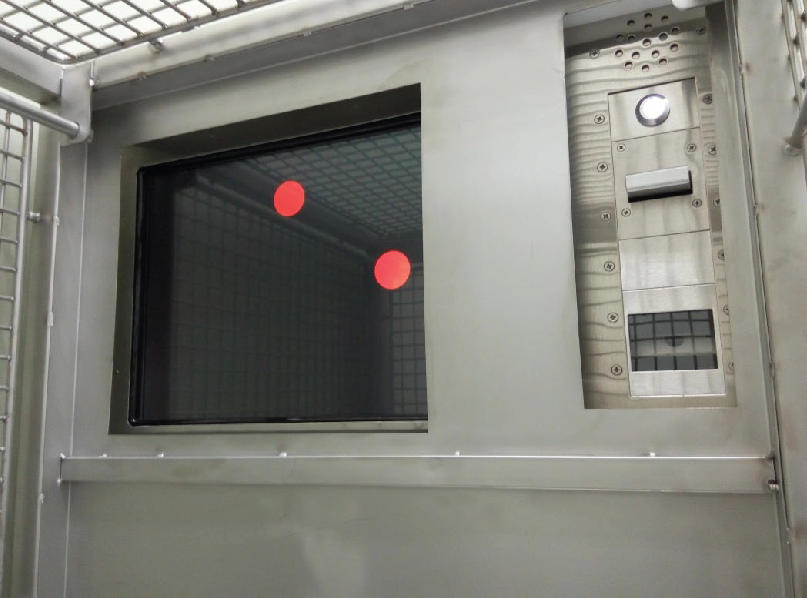
- Automated, computerized testing
- Standardized testing using analogs of human tests
- Inter & intra animal reproducibility
- Precise timing
- Not subject to investigator bias
- Well suited for drug testing
- Tests of attention, spatial and non-spatial working memory, visual memory and executive function available.
Object retrieval in non-human primates
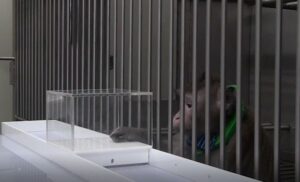
The object retrieval task (OR) in non-human primates assesses attention, response inhibition (impulsivity) and planning (frontal/frontostriatal functioning).
Chronic low-dose MPTP treatment induces cognitive deficits in non-human primates
In this example, chronic low-dose MPTP treatment induces deficits on the CANTAB VDR task that assesses aspects of attention and memory. These deficits are similar to those seen in Parkinson’s disease patients.

In this example, chronic low-dose MPTP treatment induces deficits on object retrieval task that assesses aspects of executive function. These deficits are similar to those seen in Parkinson’s disease patients.

Experimental readouts
- Behavioural – Additional behavioural endpoints including home-cage activity, observation-cage activity and fine motor control can be added to cognition studies. If appropriate, specialised assessments such as the monkey parkinsonian disability rating scale, the monkey equivalent of the clinical rating scale used to assess disability in people with Parkinson’s disease, can also be added.
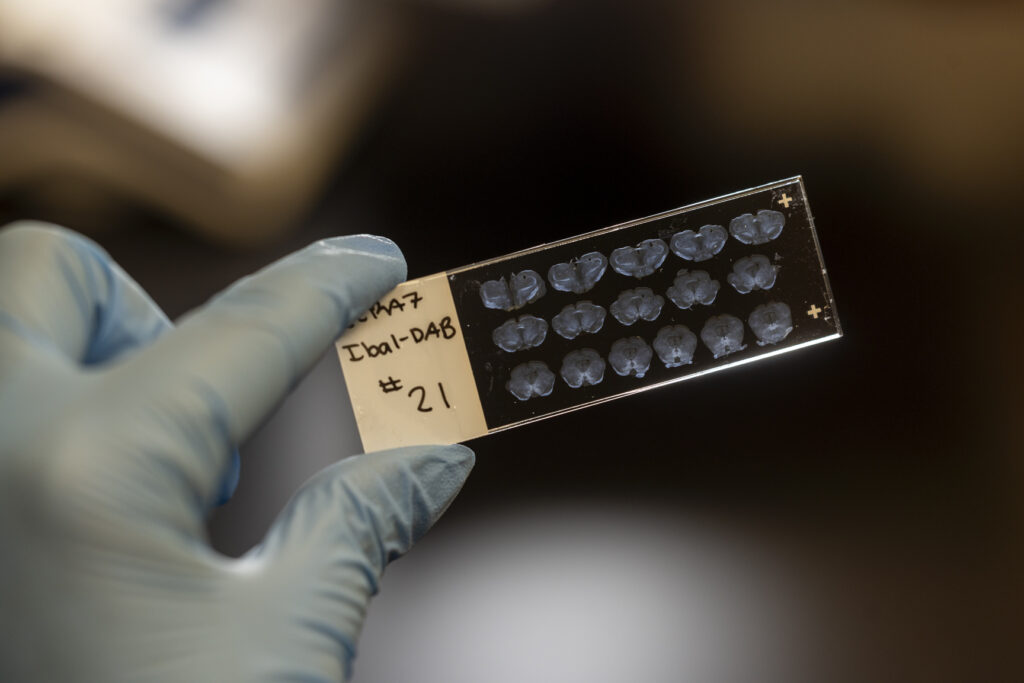
- Post-mortem – We have extensive expertise in a range of post-mortem analyses including immunohistochemistry, ligand binding, stereology, HPLC and ELISA. Additional post-mortem measures can be incorporated at the request of the client.
- Pharmacokinetics, safety and blood chemistry – Can be incorporated into all studies. Blood and CSF can be sampled throughout the study and terminal samples of brain and other tissues can be collected. Functional observational battery and blood chemistry can be used to assess off-target and adverse effects.
- Imaging – We offer both MRI and PET imaging that allows longitudinal measurement of markers of function and metabolism. In addition, novel PET ligands can be developed by our radiochemistry team.